Participatory Monitoring and Evaluation of Projects
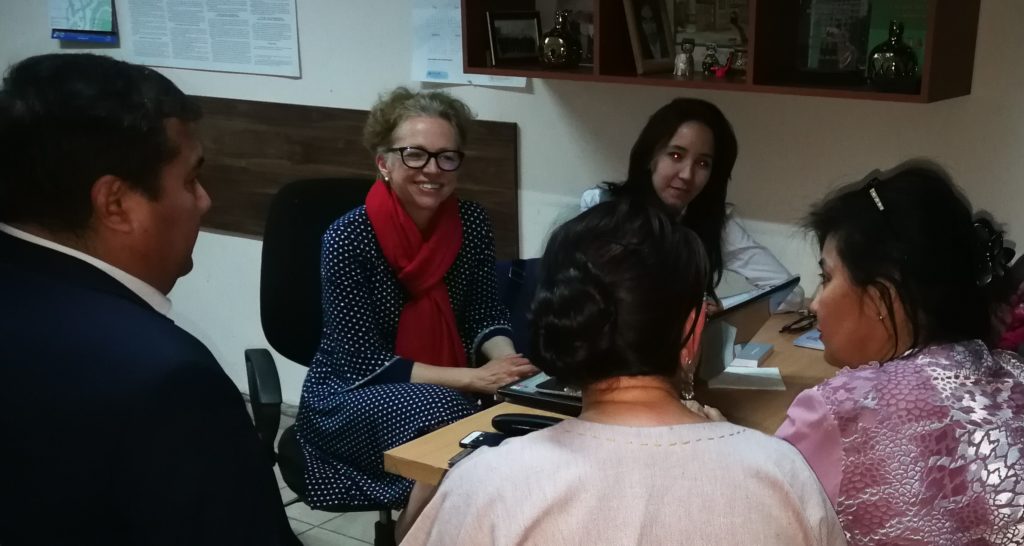
Project monitoring | We regard the beneficiaries at the centre of any project monitoring. They best can provide feedback about the project’s achievements. If appropriately included from the very beginning, the beneficiaries can assist in adjusting and fine tuning the project. This may be in terms of working methods, staffing arrangements, budgets or readjustment of project/programme objectives.
Participatory evaluation | To the maximum extent possible, we include beneficiaries in our evaluations, may this be ex ante, in itinere or ex post evaluations. Policy Studies research, visit and analyze projects, hereby applying a mix of quantitative and qualitative tools and methodologies. We are deeply convinced that participatory evaluation fosters joint learning, improves service delivery, demonstrates results, captures best practice and identifies areas for improvement.
Remote and semi-remote evaluation | Being convinced that local evaluation capacities are to be empowered, Policy Studies furthers evaluations conducted by local evaluators. Through our quality assurance system for these kind of evaluations, we are sure that our evaluation reports meet evaluation standards.
Anticorruption
A systematic approach towards integrity | We have developed a systematic approach to further anticorruption in development organisations and civil society. Key elements of our anticorruption system are prevention, detection and reaction. This appraoch ensures integrity and compliance in organisations. Policy Studies assist in design and review/audit of anticorruption systems.
Learning with and from the partners | We assist development institutions who wish to promote anticorruption jointly with their partners. The partners on the ground know best the challenges towards integrity – and they know ways how to promote their integrity. Policy Studies facilitates this joint learning process by conducting workshops – online and in person – and designing training tools.

Hate speech
Contructively combating hate speech | Jointly with our partners we analyse hate speech incidents and hate speech risks for the organisation. We assess measures already taken to combate hate speech and draw up action plans how to further minimise hate speech risks. Concrete actions against hate speech include awareness raising within the organisation and among key stakeholders, establishing and maintaining effective redress mechanisms and adequately responding to hate speech incidents.